
| Feature / Parameter | Specifications |
| Product Type | Vehicle Restraint (Dock Safety Truck Lock System) |
| Core Function | Mechanically locks truck rear impact guard to prevent vehicle rolling or premature departure |
| Working Principle | Manual handle rotation or electric motor/PLC auto-locking (50–100kN clamping force) |
| Technical Parameters | Compatible Guard Height: 300–600 mm | Response Time: $$\l$ 2s | Safety Cert: CE |
| Safety & Integration | Position calibration ($<50\text{mm}$ dev.), interlocks with dock levelers, doors & alarms |
| Finish & Application | Cold galvanization / powder coating | Ideal for warehouses, cold chain & hazardous docks |
← Back to Products
Request a Quote
Safety Equipment
Vehicle Restraint
Overview
Definition & Core Function
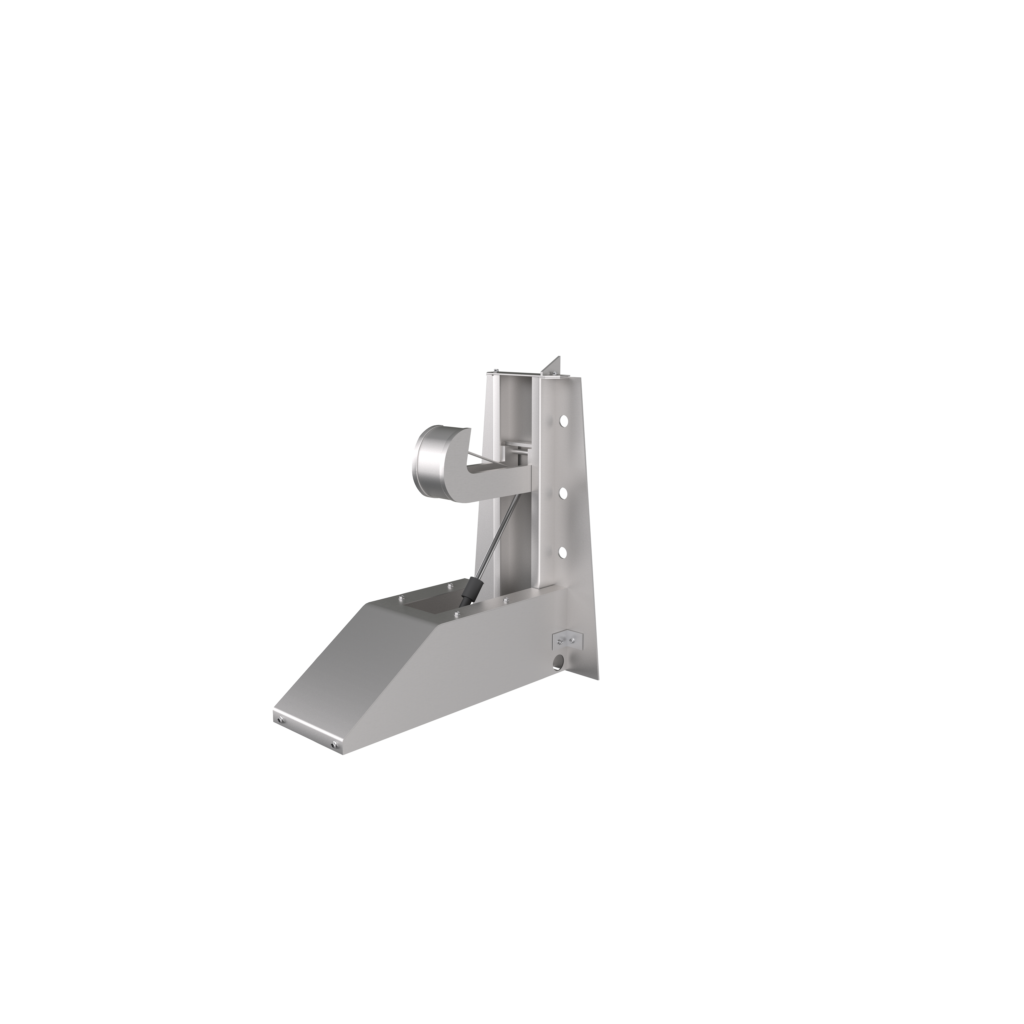
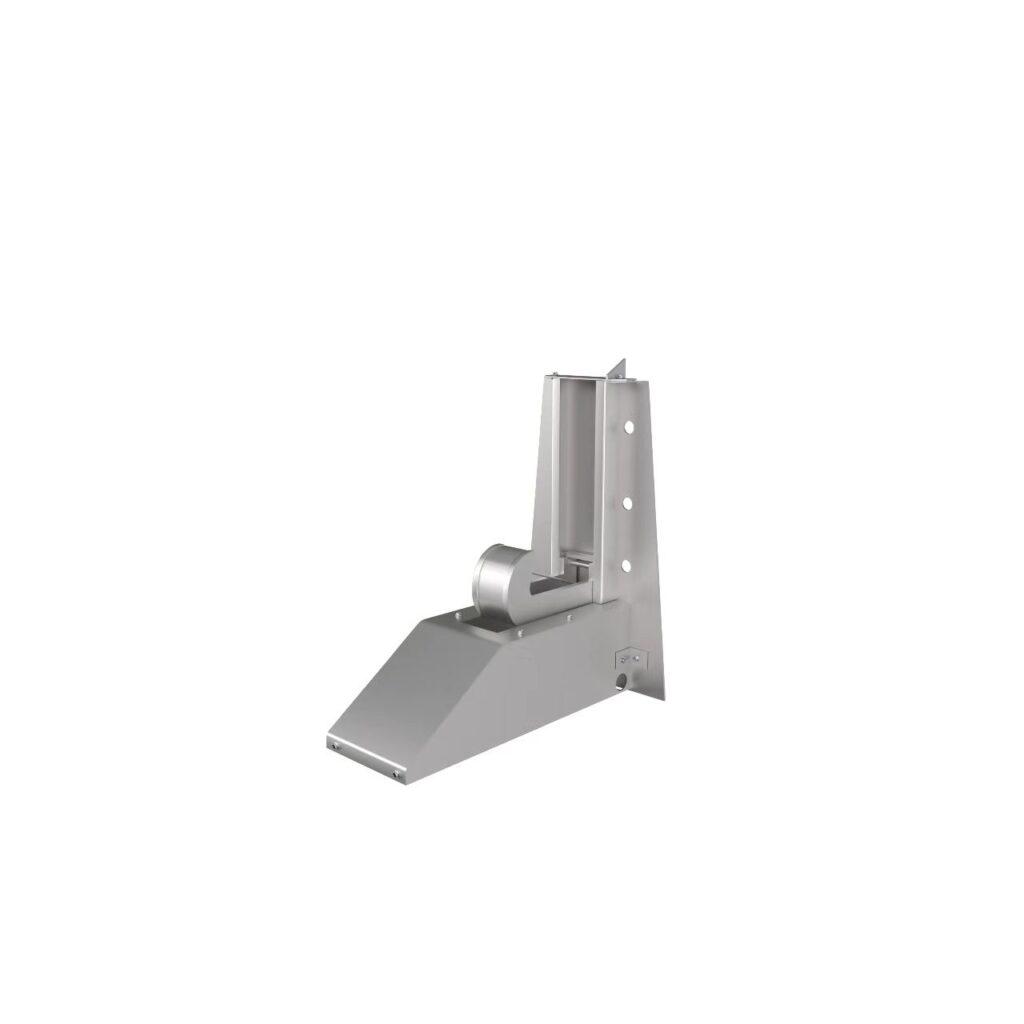
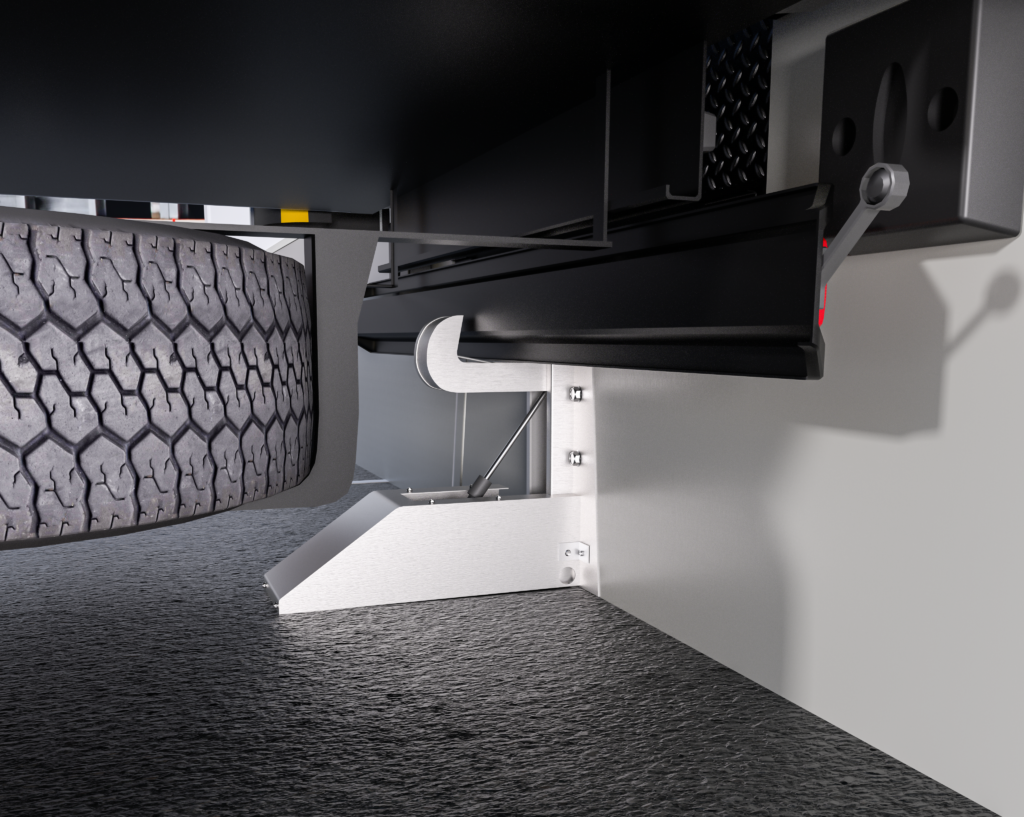
Vehicle Restraint is a safety device used in logistics loading and unloading operations to secure trucks to the dock leveler. It mechanically engages with the truck’s rear impact guard or designated anchor point, preventing unintended vehicle movement (such as rolling or premature departure) during loading and unloading. This reduces the risk of personal injury and cargo damage.
Its core function is to establish a rigid connection between the truck and the dock leveler, making it a critical component of modern logistics safety systems.
Working Principle
Once the truck is docked, the operator activates the restraint hook by rotating a handle. At this point, the dock leveler and truck are securely locked together, allowing safe loading operations. After unloading is completed, the operator rotates the handle again to retract the hook, releasing the vehicle so it can depart.
Electric (Intelligent) Vehicle Restraint: Equipped with motor drive and PLC control system. Supports remote operation and IoT monitoring (e.g., checking lock status via mobile app). Designed for automated logistics centers.
Vehicle Restraint Parameters
| Parameter | Typical Value | Function / Purpose |
| Clamping Force | 50–100kN | Ensures the truck is securely restrained and resists accidental forces. |
| Compatible Rear Impact Guard Height | 300–600mm (adjustable) | Accommodates different truck rear structures. |
| Response Time | ≤ 2 seconds (from activation to lock) | Improves operational efficiency and reduces waiting time. |
| Safety Certification | CE (European Union) | Complies with international safety standards, ensuring reliable use. |
Application Scenarios & Installation Guidelines
Typical Scenarios:
-
Logistics Warehouse Docks: Used in combination with dock levelers and dock seals to form an integrated “Vehicle Restraint – Sealing – Loading/Unloading” safety workflow. For example, every dock at Amazon logistics centers is equipped with a vehicle restraint as standard.
-
Cold Chain Warehousing: Vehicle restraints are installed at cold storage docks to prevent truck movement and potential cold air loss, even under low-temperature conditions where mechanical malfunctions may occur.
-
Hazardous Materials Handling Areas: Stainless steel restraints with anti-static design are used for loading and unloading chemical materials, fuels, or other hazardous goods, eliminating spark risks.
Installation Guidelines:
-
Position Calibration: The center of the vehicle restraint must align with the truck’s rear impact guard with a horizontal deviation of <50 mm and vertical deviation ≤30 mm to ensure precise engagement.
-
Foundation Reinforcement: The mounting base must be cast with C30 concrete (thickness ≥300 mm), and embedded anchor bolts should have a tensile strength of ≥Grade 10.9.
-
Interlock Design: Integrate with dock levelers and high-speed doors to form an interlocking logic (e.g., doors cannot open unless the vehicle is properly restrained) to prevent operational errors.
Integration with Other Safety Devices
| Device | Integration Method | Safety Value |
| Truck Positioning Lights | Guide trucks to accurately stop within the operating range of the vehicle restraint. | Reduces engagement errors and improves locking success rate. |
| Audible & Visual Alarms | Emit warning signals during locking/release operations. | Alerts nearby personnel, preventing accidental entry into hazardous areas. |
| Dock Edge Guardrails | Prevent personnel from falling and work together with the vehicle restraint to form a three-dimensional safety barrier. | Reduces overall safety risks during loading and unloading operations. |
Surface Treatment: The vehicle restraint hook is treated with cold galvanization or electrostatic powder coating.